
Image (c) Massachusetts Division of Marine Fisheries.
Do you have another good question for the Beach Chair Scientist? Go to http://www.beachchairscientist.com and let us know. Or you can e-mail your question to info@beachchairscientist.com.
Marine & Freshwater Environmental Education
Image (c) Massachusetts Division of Marine Fisheries.
Do you have another good question for the Beach Chair Scientist? Go to http://www.beachchairscientist.com and let us know. Or you can e-mail your question to info@beachchairscientist.com.
This site uses Akismet to reduce spam. Learn how your comment data is processed.
Diet Tips for a Longer, Healthier Life Changing what you eat now could have big benefits later Photo: Getty Images We know that cutting back on red meat is good for heart health, fish is brain food, and calcium-rich foods can help keep our bones strong. But can shaking up what we eat help us […]
That’s right! American lobsters can be blue (rather than the brownish/green color they typically are prior to cooking) due to either a genetic modification or an abnormal diet. Both colored lobsters taste the same. One in every two million lobsters can be blue. Enjoy this funny video from the folks at CapeCast.
They are egg cases from a juvenile thorny skate. The skate is related to sharks and rays. Sharks, skates, and rays all have a skeleton made up of cartilage, the flexible material that is found in our noses and ears. One tiny skate will hatch from each egg after nine months – hatching under the […]
From the summer to the winter the amount of ice in the Arctic Ocean doubles from 3 million square miles to 6 million square miles. The smallest of all the oceans was explored by those looking for trade routes between the Atlantic and Pacific Oceans. But, the first to reach the North Pole was American […]
Are we one step closer to an invisibility cloak? Researchers at the University of Bristol have demonstrated how to create artificial skin that can mimic the squid. The squid, as well as other cephalopods like the octopus and cuttlefish, can blend into their surroundings to hide from predators or sneak up on prey. The squid’s […]
Last week 2 giant, shimmering oarfish washed ashore in southern California. This is not a common occurrence and some speculate that it may be a means to warn of an impending earthquake. Others say that it could just be a “banner week for weird fish photo ops“. In either case, I’m making the most of […]
A toddler can fit into a blue whale’s blowhole. The spray can reach up to 30 feet high. The blue whale’s scientific name is Balaenoptera musculus. Blue whales live in all oceans of the world. A blue whale’s tongue weighs more than an elephant. Blue whales are the loudest animal on Earth reaching up to […]
This is the first post I’ve answered directly from my phone (Please excuse the brevity). Barnacles are crustaceans. Other crustaceans include crabs and lobsters. Barnacles are a type of crustacean that are permanently attached to a solid surface. Also, what is obviously missing is the sensory parts, such as eyes and feelers. Up close, you […]
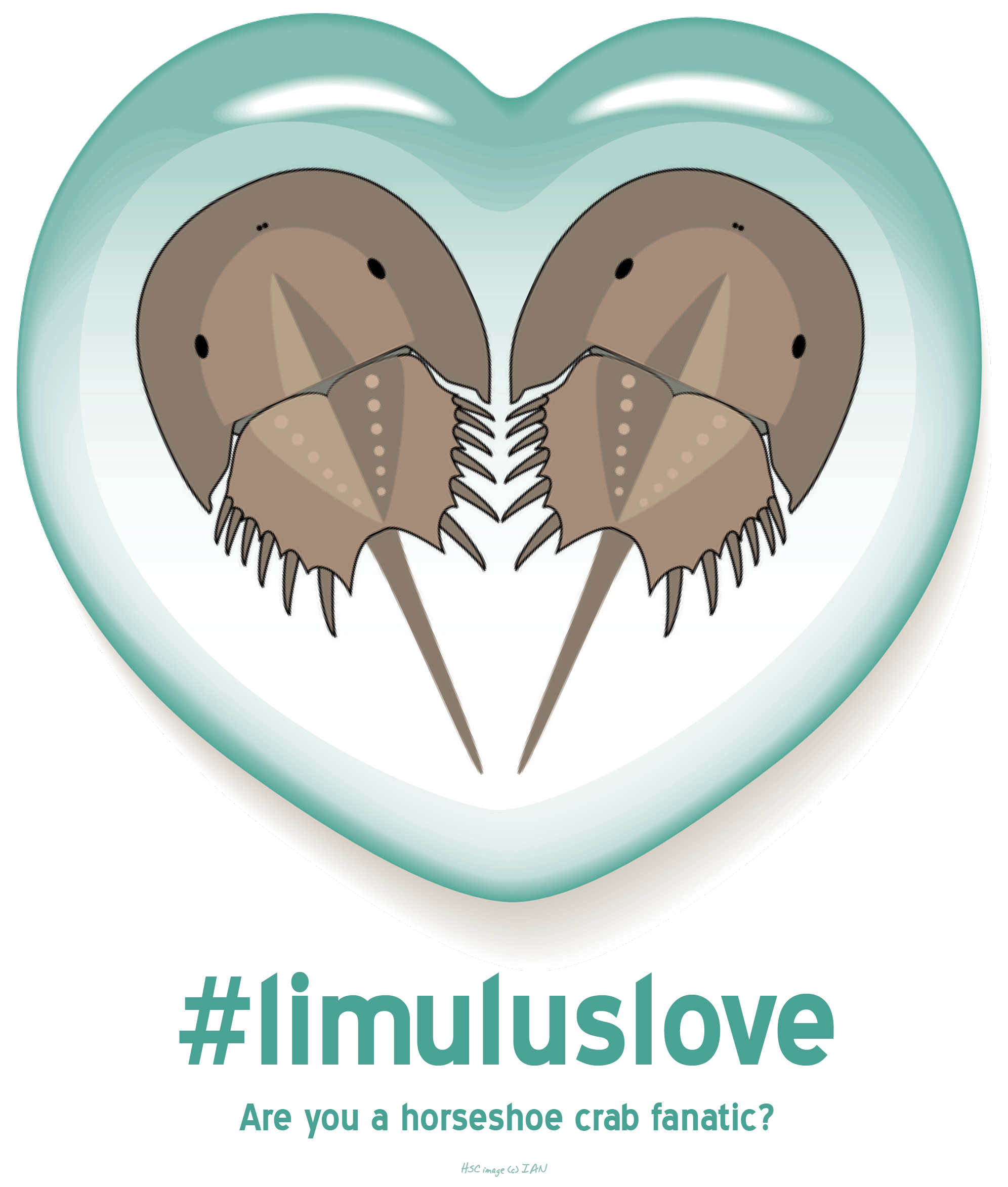
Xiphosura is the order of the Atlantic horseshoe crab and its three closest living related species.
Here is a general overview of 10 characteristics of seabirds (birds that spend most of their life out at sea), shorebirds (migratory birds that scurry along the shore looking for food), and wading birds (taller birds that wade in wetlands for their food). 10 characteristics of seabirds (Examples include albatross, auk, booby, frigatebird, fulmar, gannet, […]




Copyright © 2026 · Free Wordpress Install by FreemiumPress.com
I think it weighs 21.4 pounds