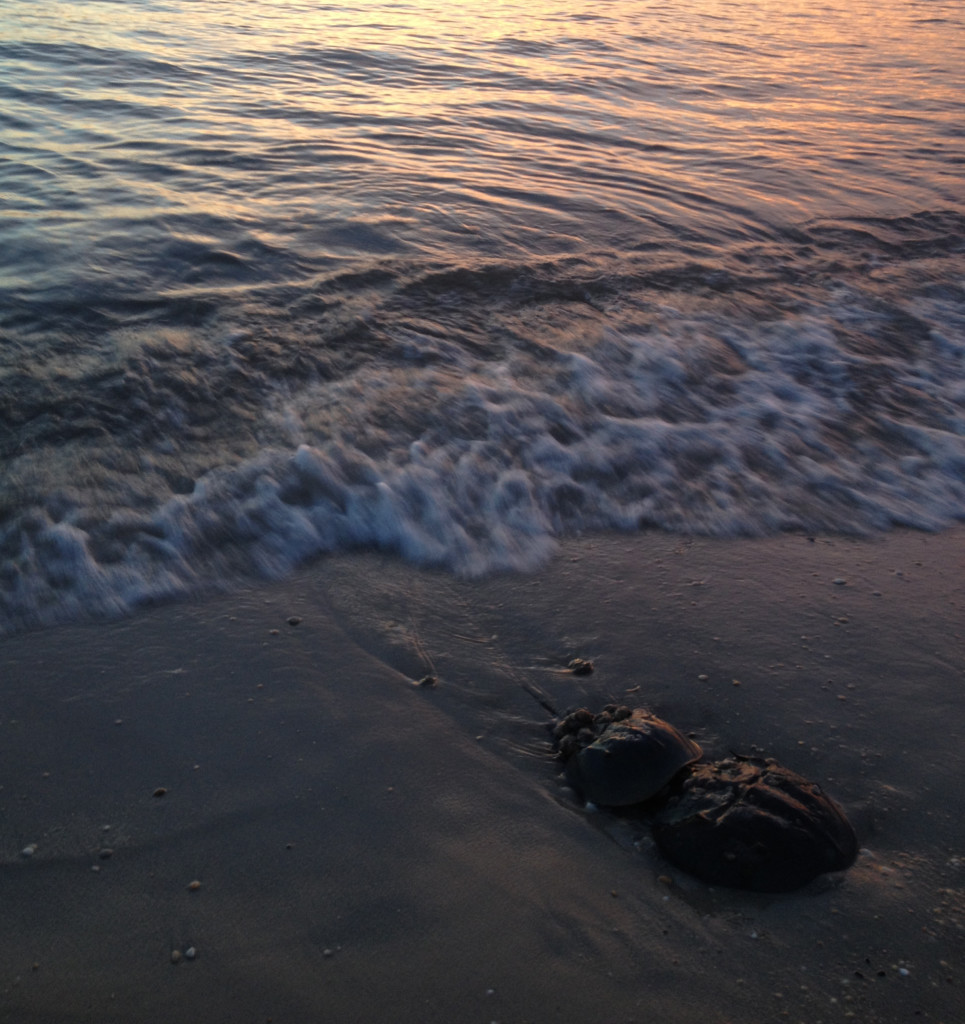
 For more images from Beach Chair Scientist, please visit Flickr.
Marine & Freshwater Environmental Education
This site uses Akismet to reduce spam. Learn how your comment data is processed.
Veliger is the stage of a mollusk’s life prior to it becoming an adult. This is after it goes through the trochophore larva stage. During the veliger stage a mollusk develops its swimming membrane. Image (c) pbs.org
Here is a general overview of 10 characteristics of seabirds (birds that spend most of their life out at sea), shorebirds (migratory birds that scurry along the shore looking for food), and wading birds (taller birds that wade in wetlands for their food). 10 characteristics of seabirds (Examples include albatross, auk, booby, frigatebird, fulmar, gannet, […]
According to this article from The Royal Society (published November 2010) whales are very prone to the harmful rays of the sun. The scientists discovered whales that spend more time at the surface of the sea had more skin cells exposed and therefore were showing more damage from the ultraviolet radiation. It was even pointed […]
If you have not, please sign this petition calling for a permanent end of the selling of whale products on Amazon.com. “Whales have an important lesson to teach us. Whales have a large and complex brain but show no signs of threatening their own destruction. They haven’t reproduced themselves into oblivion, they haven’t destroyed the […]
Like it or not sometimes fish kills occur. It is a harshly worded phrase used to define a massive localized die off of a fish population. When there is a fish kill it is a serious matter that environmental agencies use an indicator something may have run a muck in the local ecosystem. Although, fish […]
This is a series I’ve been featuring each Tuesday this summer to get a special sneak peek at the different personalities behind the scientists, activists, and educators (including bloggers) who play an integral role in the marine science conservation field. It’s essentially an extension of the overwhelmingly popular and well done Tumblr blog, This Is […]
Here are some more sample questions from the Consortium for Ocean Leadership‘s popular National Ocean Science Bowl (NOSB). These questions come from the Biology section. Good luck! 1) Northern elephant seals come ashore during the spring and summer to do what? a) Mate b) Eat c) Give birth d) Shed their fur 2) The habitat […]
Summer is here and what better time of year to show your devotion to the ocean with some fun and creativity? Inspired by 1) the trio of huge fish made from plastic bottles constructed as a display during the United Nations Conference on Sustainable Development this past month and 2) my new found skill at […]
The shell to the right with a hole through it was hinged to another shell of equal size with an animal living inside (in this case, a clam). Animals with two shells hinged together are known as bivalves. Often, in restaurants oysters and clams are shucked and served “on-the-half-shell” (Yum! I prefer them plain, but […]
Gorgonians are a group of corals known as the ‘horny corals’. This is includes the sea whips, sea fans and sea feathers. They are similar to the soft corals because they all have eight-part symmetry. Most jewelry that is made from coral is made from the gorgonians. If you ask me though corals are too […]




Copyright © 2026 · Free Wordpress Install by FreemiumPress.com
Where has the ‘like’ button at the end of your posts disappeared to????!! RH