It is gearing up for summertime so if you see a jellyfish on the beach, report it here. They actually want to hear about all your fun and exciting ocean finds. And best of all there is no registration – so get to it!
Marine & Freshwater Environmental Education
Follow BCS on Twitter
My TweetsWant updates on BCS posts?
Scroll through the BCS archives …
Learn more on …
Random posts from BCS …
It’s as easy as A, B, Sea: I for Irish Moss
Irish moss is also known as carageen. Carageen is a deep red alga that grows around rocky substrates along both coasts of of the north Atlantic Ocean. Carrageenan is a gelatinous material extracted from Irish Moss and can be used as a vegetarian alternative to gelatin. It is found in ice cream, soy milk, diet […]
How long do seastars live?
Seastars can live up to 35 years in the wild! It really depends on the species. Their wild habitat includes coral reefs, rocky coasts, sandy bottom, or even the deep sea of all the world’s oceans. There are approximately 1,800 different types of sea stars. They have been known to live up to 10 years […]
D.C. embraces giant quahogs!
A few days ago the Washington Post announced that the National Zoo in Washington, D.C. is now home to 10 giant clams of the species Tridacna crocea. You may think the National Zoo is a peculiar place for clams especially since the National Aquarium now has a branch in D.C., however the clams are suitably […]
Beach Chair Scientist’s Top Ten Posts
Now that we have posted 200 entertaining posts of random beach trivia we thought it would be fun to review the most visited posts to see what our audience enjoys reading from us. So during this holiday season let’s make a toast to the top ten most read entries. Thanks for reading all the posts […]
It’s as easy as A, B, Sea: V for Veliger
Veliger is the stage of a mollusk’s life prior to it becoming an adult. This is after it goes through the trochophore larva stage. During the veliger stage a mollusk develops its swimming membrane. Image (c) pbs.org
And that concludes my “We affect what goes in our watershed” week
This week I shared insight on the theme what we do in our daily lives affects our waterways. It’s particularly surprising to come to the realization that even though we might not live anywhere near a river, lake, or stream our daily actions have massive consequences on the waterways – and ultimately the ocean. It’s […]
What eats sea urchins? Revisited
Back in 2008 we brought you some information on what eats sea urchins. After all, it is hard to imagine anything being able to enjoy the spiny echinoderms. Here is an interactive game (you must have Flash) produced by Stanford University that takes it one step further. Try to place which animals and/or plants are […]
What do you mako this?
In honor of Shark Week on the Discovery Channel I decided to post a different shark fact each week. Today…What is the fastest shark species? The mako shark is the fastest shark. It can get up to 20 miles per hour (or faster when being chased by an enemy). The mako shark can naturally move […]
Armed to the teeth
People often wear shark’s teeth around their neck. But, what is the significance and how do they get them? As the internet research states a sharks tooth symbolizes virility. I am not going to get any further into that aspect of the question. To each his or her own. Here is some information on the […]
Why the ocean?
12% of land is protected, while only 2% of the sea is protected. That’s not proportional when you think that the ocean takes up over 70% of our planet. Please watch this incredibly creative, punchy, entertaining, and most importantly, inspiring video from One World One Ocean. I was inspired enough to want to share it […]




Resources & more …
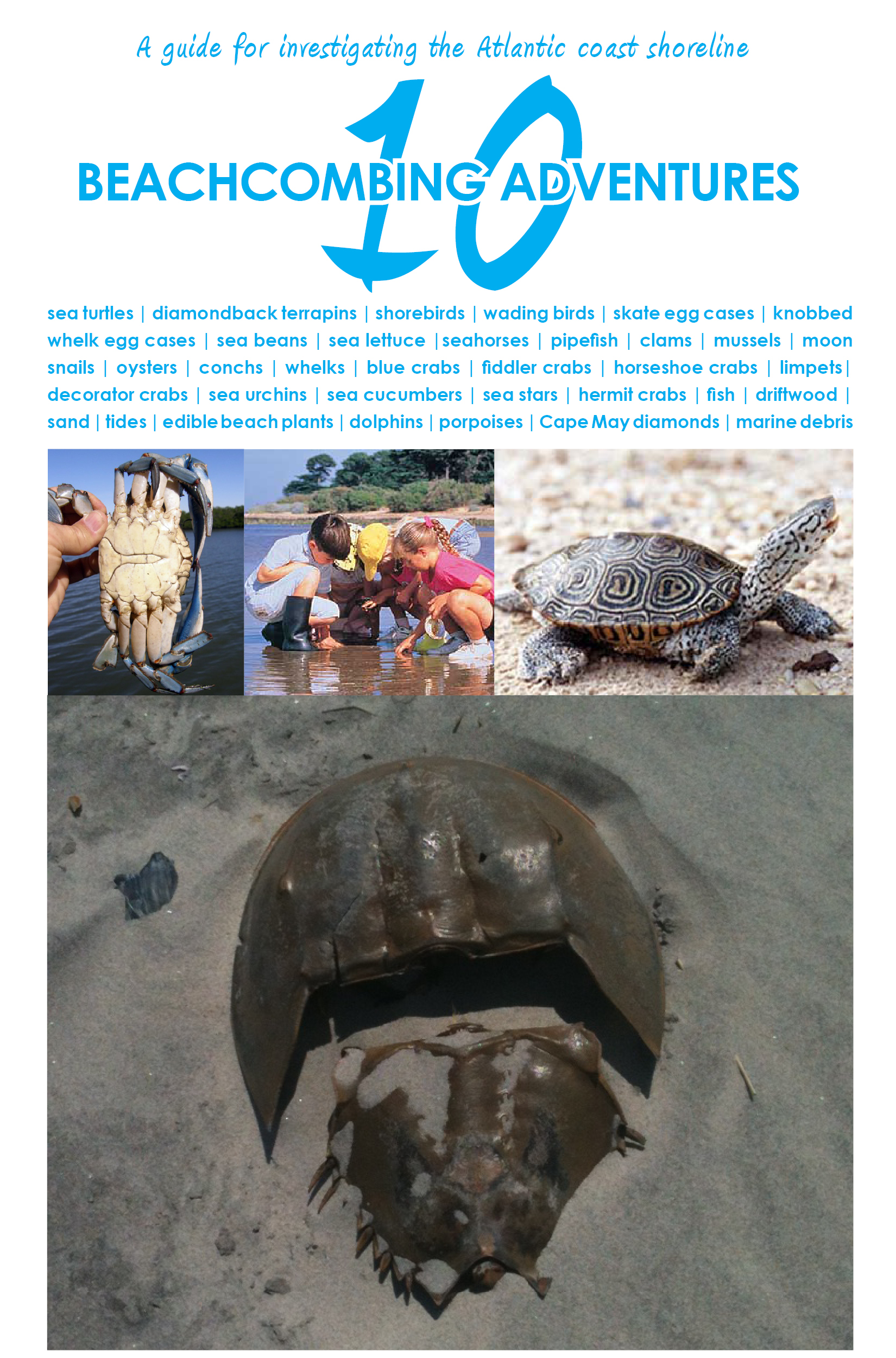
Flickr photos …
Top posts & pages from BCS …
- Hurricane vs. Cyclone vs. Typhoon
- A House for Hermit Crab
- How to handle a horseshoe crab
- Snot's your house
- Wednesday Wisdom: Various quotes (Alaska scenes)
- A naturalist's must-see destination: Fossil Hunting at Bayfront State Park in Chesapeake Beach, MD
- Belly biology creates lasting memories
- Five awful puns about courtship in the sea
- Horseshoe crabs confirmed as members of arachnid family
- Beyond the bag: Other plastics being banned
What people are saying …