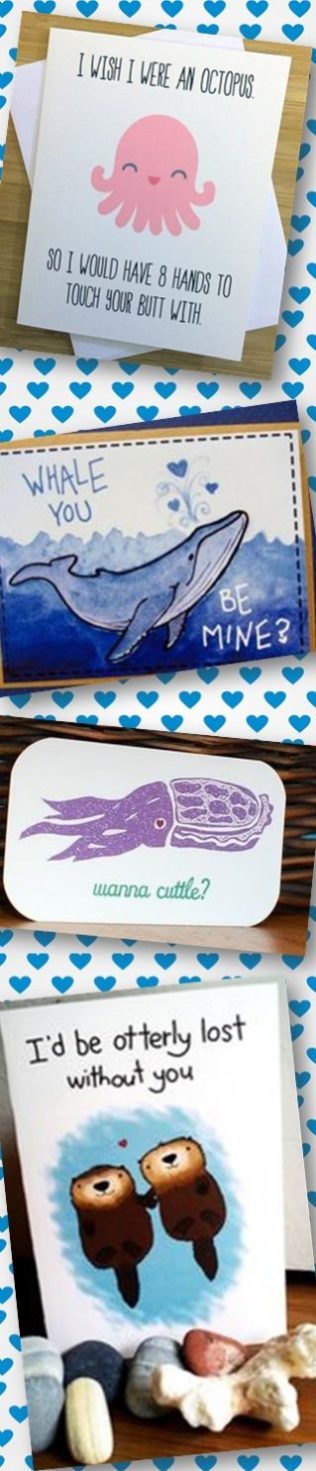
Top to bottom: Octopus; Whale; Cuttlefish; Otters
Marine & Freshwater Environmental Education
This site uses Akismet to reduce spam. Learn how your comment data is processed.
Image via Wikipedia Wow! What a fun question to research, thank you! (You’ll surely notice I was picky because there are many environmental activists in Hollywood but and tried to keep the list to those that focus on primarily oceans.) I am such a fan of giving back no matter how much I believe we […]
Last week 2 giant, shimmering oarfish washed ashore in southern California. This is not a common occurrence and some speculate that it may be a means to warn of an impending earthquake. Others say that it could just be a “banner week for weird fish photo ops“. In either case, I’m making the most of […]
You may not notice it, but sea urchins have very thin tube-like suction cup feet, just like their close relative the sea stars. These feet are useful to grasp onto pieces of seashells, pebbles, or seaweed to disguise the sea urchin from other nearby predators. Click on this post to see what eats a sea […]
It’s Tuesday and so I am sure you know by now, but this is a series I have been featuring each Tuesday this summer to get a special sneak peek at the different personalities behind the scientists, activists, and educators (including bloggers) who play an integral role in the marine science conservation field. It’s essentially […]
Maybe it’s because I’m a full-time teacher now, but my favorite character in Finding Dory is the Sting Ray. I mean, if it wasn’t for the class trip to learn about migration Dory – the blue tang with short-term memory loss – may never had thought about “going home” and the trek to look for […]
Tomorrow the National Geographic Society releases a special edition ‘Ocean‘ magazine that takes an in depth look at the world’s oceans ecosystem including breathtaking pictures and a pull out of the “Our Water World”. As they put it “Here’s your chance to dive below the surface and examine a dynamic, interdependent ecosphere that is rarely […]
On today, World Oceans Day, I’d like to bring your attention to an editorial published yesterday in the Huffington Post “Looking for a Sea Change on World Oceans Day” by Vicki Spruill, Ocean Conservancy CEO. Please share your thoughts on the article and don’t forget to wear your blue!
Trilobites are not an opportunity to taste test three different bites of food. They are an extinct marine arthropod, that looked like a squashed centipede, dating back to the Cambrian period. They’re quite significant because paleontologists use them as an index fossil for dating back other rock structures. Image (c) smithsonianmag.com
Yes, there has been a draft compromise made that would make it ok for whales to be taken from the oceans for “scientific research” in Japan. Read more here … http://www.panda.org/wwf_news/news/?uNewsID=189581
I just think this review of what children from New York City have to say about beach pollution aka marine debris is too “right on” not to share. These quotes come directly from an article on the Ocean Conservancy’s website. Check out the entire article for some wonderful crayola images the kids did too! Fourth-graders […]




Copyright © 2026 · Free Wordpress Install by FreemiumPress.com

Awwwww! Overwhelked wth admiration for these…