• Home
  • About BCS
  • Guest Posting on BCS
  • BCS Community Programs
  • Resources & More
  • On-the-go Exploring Pouch
  • July 12, 2026

Beach Chair Scientist

Marine & Freshwater Environmental Education

  • 10 Beachcombing Adventures
  • What Marine Conservationists Are Into …
  • Limulus Love
  • EE, Ocean, & Water Conservation Infographics
You are here: Home / Archives for Otters

Otter personalities

September 7, 2017 by Beach Chair Scientist Leave a Comment

What kind of car do you drive in the sea? An otter-mobile.

I know that was pretty funny, I know. Here are some memes to celebrate Sea Otter Awareness Week (this September 24-30) that really illustrates the breadth of sea otters.
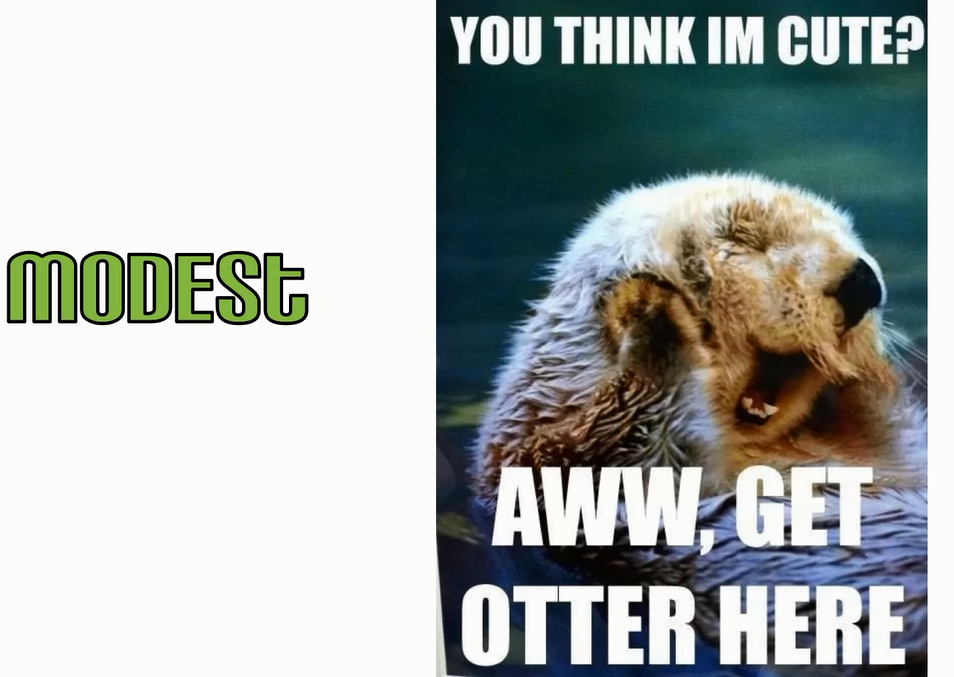
BCS_OtterEmotions

Share this:

  • Click to share on Facebook (Opens in new window)
  • Click to share on Twitter (Opens in new window)
  • Click to share on Reddit (Opens in new window)
  • Click to email a link to a friend (Opens in new window)
  • Click to share on LinkedIn (Opens in new window)
Filed Under: Marine Mammals Tagged With: Otters, Sea Otter Awareness Week, sea otters

How to say “I love you” with friends from the sea

February 13, 2017 by Beach Chair Scientist 1 Comment

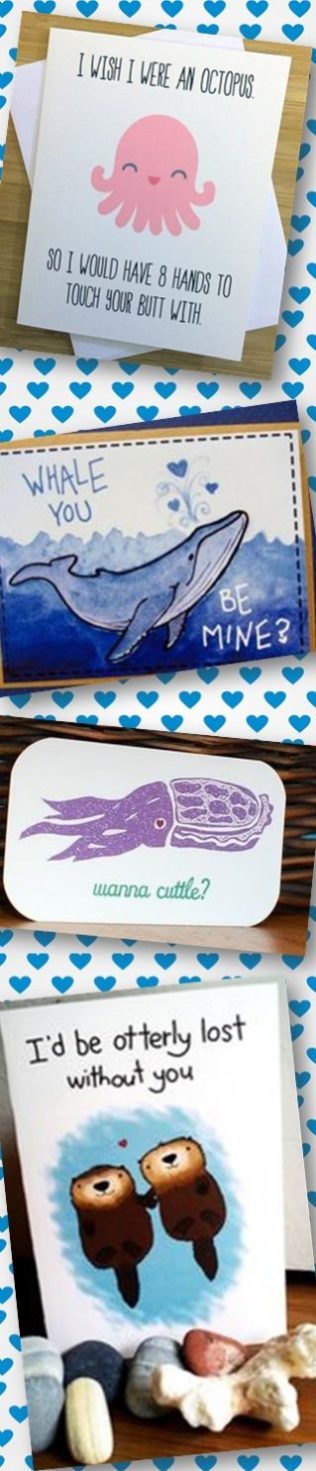
Happy Valentine's Day!

Top to bottom: Octopus; Whale; Cuttlefish; Otters

Share this:

  • Click to share on Facebook (Opens in new window)
  • Click to share on Twitter (Opens in new window)
  • Click to share on Reddit (Opens in new window)
  • Click to email a link to a friend (Opens in new window)
  • Click to share on LinkedIn (Opens in new window)
Filed Under: Random Fun! Tagged With: Octopus, Otters, Valentine's Day

Connect with BCS

  • Email
  • Facebook
  • Instagram
  • Pinterest
  • RSS
  • Twitter

Follow BCS on Twitter

My Tweets

Want updates on BCS posts?

Scroll through the BCS archives …

Learn more on …

Random posts from BCS …

What they’re into … with Jim Wharton (Seattle Aquarium)

This is a series I’ve been featuring each Tuesday this summer to get a special sneak peek at the different personalities behind the scientists, activists, and educators (including bloggers) who play an integral role in the marine science conservation field. It’s essentially an extension of the overwhelmingly popular and well done Tumblr blog, This Is […]

Share this:

  • Click to share on Facebook (Opens in new window)
  • Click to share on Twitter (Opens in new window)
  • Click to share on Reddit (Opens in new window)
  • Click to email a link to a friend (Opens in new window)
  • Click to share on LinkedIn (Opens in new window)

What’s in a name? Game: “Fishy” Fourth of July Edition

Can you match the scientific name to each of the fish from this Independence Day-themed trio? Leave your answer as a comment. Even better … also, try to identify each one by their common name. Have a happy and safe Fourth of July, everyone!

Share this:

  • Click to share on Facebook (Opens in new window)
  • Click to share on Twitter (Opens in new window)
  • Click to share on Reddit (Opens in new window)
  • Click to email a link to a friend (Opens in new window)
  • Click to share on LinkedIn (Opens in new window)

One Big Wave, and Millions of Lost Legos

On Feb. 13, 1997, about 20 miles off the coast of England, a massive wave hit the freighter Tokio Express, toppling 62 giant containers into the rough north Atlantic seas. Trapped inside one of them: nearly 5 million Legos. Many floated to the surface. Carried by currents, they’re still being found on beaches around the world […]

Share this:

  • Click to share on Facebook (Opens in new window)
  • Click to share on Twitter (Opens in new window)
  • Click to share on Reddit (Opens in new window)
  • Click to email a link to a friend (Opens in new window)
  • Click to share on LinkedIn (Opens in new window)

Whales don’t have scales

That’s right. Whales are covered in blubber because they are mammals like you and I. Now the fish in the sea are another story. You might not realize it, but, if you’ve ever had the opportunity to touch a shark they are covered in scales just like other bony fish. There are several main types […]

Share this:

  • Click to share on Facebook (Opens in new window)
  • Click to share on Twitter (Opens in new window)
  • Click to share on Reddit (Opens in new window)
  • Click to email a link to a friend (Opens in new window)
  • Click to share on LinkedIn (Opens in new window)

‘Inside the Arctic Circle’: What if James Lipton interviewed a polar bear?

In honor of International Polar Bear Day, I was wondering how a polar bear – if interviewed by the esteemed James Lipton and could speak – would answer to the following questions on an episode of “Inside the Arctic Circle”. Please feel free to disagree and add in your comments. What is your favorite word? […]

Share this:

  • Click to share on Facebook (Opens in new window)
  • Click to share on Twitter (Opens in new window)
  • Click to share on Reddit (Opens in new window)
  • Click to email a link to a friend (Opens in new window)
  • Click to share on LinkedIn (Opens in new window)

Why does a sea urchin attach seashells to itself?

You may not notice it, but sea urchins have very thin tube-like suction cup feet, just like their close relative the sea stars. These feet are useful to grasp onto pieces of seashells, pebbles, or seaweed to disguise the sea urchin from other nearby predators. Click on this post to see what eats a sea […]

Share this:

  • Click to share on Facebook (Opens in new window)
  • Click to share on Twitter (Opens in new window)
  • Click to share on Reddit (Opens in new window)
  • Click to email a link to a friend (Opens in new window)
  • Click to share on LinkedIn (Opens in new window)

It’s as easy as A, B, Sea: P for Portolan

Portolan refers to navigational charts dating back to the Renaissance. They were focused on coastal outlines and included seaports, river openings, shoals and hazards. The distance from one point to another was always included. Latitude and longitude were not features on the maps, neither was interior land. Portolan comes from the Italian adjective “portolana” meaning […]

Share this:

  • Click to share on Facebook (Opens in new window)
  • Click to share on Twitter (Opens in new window)
  • Click to share on Reddit (Opens in new window)
  • Click to email a link to a friend (Opens in new window)
  • Click to share on LinkedIn (Opens in new window)

Everybody do the ‘Stingray Shuffle’

Staying safe at the beach this summer can mean more than just applying liberal amounts of sunscreen. If you are going to be visiting the southeastern United States you may want to try the ‘stingray shuffle’ to avoid a venomous injection from a stingray.  A stingray’s main defense is it’s barb which they arc up […]

Share this:

  • Click to share on Facebook (Opens in new window)
  • Click to share on Twitter (Opens in new window)
  • Click to share on Reddit (Opens in new window)
  • Click to email a link to a friend (Opens in new window)
  • Click to share on LinkedIn (Opens in new window)

Beauty is in the eye of the beholder

“WhaleTimes created Hagfish Day last year to ‘celebrate the beauty of ugly.’ Hagfish are the perfect example. These deep-sea scavengers ooze slime — buckets of slime. They also play an important role in their ecosystem.” What other creatures do you think should be recognized on Hagfish Day?

Share this:

  • Click to share on Facebook (Opens in new window)
  • Click to share on Twitter (Opens in new window)
  • Click to share on Reddit (Opens in new window)
  • Click to email a link to a friend (Opens in new window)
  • Click to share on LinkedIn (Opens in new window)

Marine Mammal Monday: Whales & dolphins

Please feel free to share with your friends and family where you learned something new about whales and dolphins today! Also, ask away! If you have a question about something you found on the beach or just something you’re curious about just send an email to info@beachchairscientist.com or tweet us!

Share this:

  • Click to share on Facebook (Opens in new window)
  • Click to share on Twitter (Opens in new window)
  • Click to share on Reddit (Opens in new window)
  • Click to email a link to a friend (Opens in new window)
  • Click to share on LinkedIn (Opens in new window)

Resources & more …

Flickr photos …

More Photos
UK Meds

What people are saying …

  • Robert Emahiser on Why you should never walk on dunes
  • Lesa on 10 brief facts on bioluminescence
  • Lisa on Limulus Love
  • Beach Chair Scientist on 17 facts about the wee sea potatoes
  • Bernard Rejterada on 17 facts about the wee sea potatoes
  • Brian on What is the difference between a summer and winter flounder?
  • Inbound marketing on 15 facts about the Portuguese man-of-war that’ll have you saying “Didya know…?”
  • Donnie Huckabee on Wordless Wednesday | Shell art
  • John on Why you should never walk on dunes
  • ItzJaylaD on What I know about whale sharks

Top posts & pages from BCS …

  • Hurricane vs. Cyclone vs. Typhoon
  • A House for Hermit Crab
  • How to handle a horseshoe crab
  • Snot's your house
  • Wednesday Wisdom: Various quotes (Alaska scenes)
  • A naturalist's must-see destination: Fossil Hunting at Bayfront State Park in Chesapeake Beach, MD
  • Belly biology creates lasting memories
  • Five awful puns about courtship in the sea
  • Horseshoe crabs confirmed as members of arachnid family
  • Beyond the bag: Other plastics being banned

Copyright © 2026 · Free Wordpress Install by FreemiumPress.com

Return to top of page