
This is a whimsical – yet still direct and profound – image I wanted to share from from my Ocean Conservation Inspiration Pinterest board. Do you have a particular phrase or image that drives you?
Marine & Freshwater Environmental Education
This is a whimsical – yet still direct and profound – image I wanted to share from from my Ocean Conservation Inspiration Pinterest board. Do you have a particular phrase or image that drives you?
This site uses Akismet to reduce spam. Learn how your comment data is processed.
I confess. I’ve given up on Shark Week. It took 25 years to shake me, but for the first time I can remember, I won’t be watching. When I was 16, you couldn’t schedule enough great white and shark attack programming to satisfy me. Danger Beach, Vic Hislop, Air Jaws … it was all good. […]
JOIDES stands for the Joint Oceanographic Institutions for Deep Sea Sampling. This project began in the 1970’s as a collaboration between many prominent universities and oceanographic institutes (including Woods Hole and Scripps) to take core samples and study the bottom of the ocean. The vessel used for the project was known as the Glomar Challenge. […]
If you have not, please sign this petition calling for a permanent end of the selling of whale products on Amazon.com. “Whales have an important lesson to teach us. Whales have a large and complex brain but show no signs of threatening their own destruction. They haven’t reproduced themselves into oblivion, they haven’t destroyed the […]
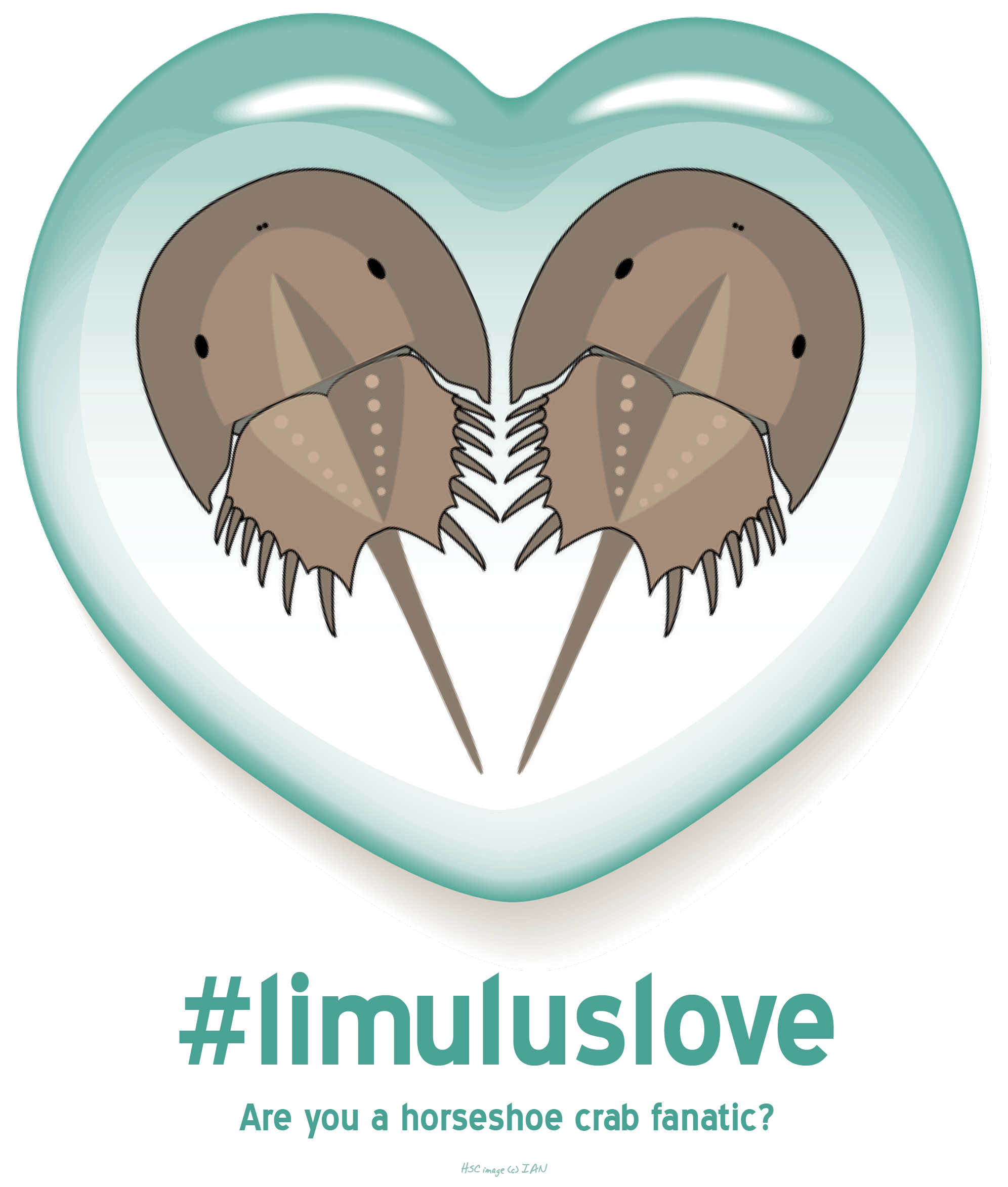
And, we’re concluding the first month of the horseshoe crab mating season for 2013. Over the past couple of weeks, many articles have come through the great worldwide web including some new creative introductions on the relationship of Limulus polyphemus and shorebirds, captivating expose on the capture of two horseshoe crab poachers, updates on the […]
This week I shared insight on the theme what we do in our daily lives affects our waterways. It’s particularly surprising to come to the realization that even though we might not live anywhere near a river, lake, or stream our daily actions have massive consequences on the waterways – and ultimately the ocean. It’s […]
Sure you know that some animals are related to one another. Often though it’s difficult to pinpoint their similarities. Well, on the third day of every month I am going to explain three features that are common among the animals of a certain group. Each group generally has more than three representatives, but I am […]
Surfrider Foundation recently released a new PSA by filmmaker Jack McCoy with a previously unreleased song, Blue Sway, by Paul McCartney. The song has been released on his McCartney II which was distributed by MPL and Concord Music Group on June 14. If you like this song you should also check out McCartney’s (aka The […]
It is interesting to think that seagulls may want to rest at some point, but they tend to want to re-energize somewhere safe inland (i.e., old boat yards, rock jetties, water towers, etc.) – not necessarily near the dunes or on the beach. Seagulls are full-grown when they leave the nest. They have to be […]
In honor of Shark Week on the Discovery Channel I decided to post a different shark fact each week. Today…What is the fastest shark species? The mako shark is the fastest shark. It can get up to 20 miles per hour (or faster when being chased by an enemy). The mako shark can naturally move […]
A living fossil is not Russell Johnson (the professor from Gilligan’s Island) or dear Zsa Zsa Gabor (God bless you for holding on!). I’ll chop it down to say that a living fossil is an organism that more closely resembles a fossil than anything living. For instance, the Atlantic horseshoe crab resembles the fossil record […]




Copyright © 2026 · Free Wordpress Install by FreemiumPress.com
Speak Your Mind