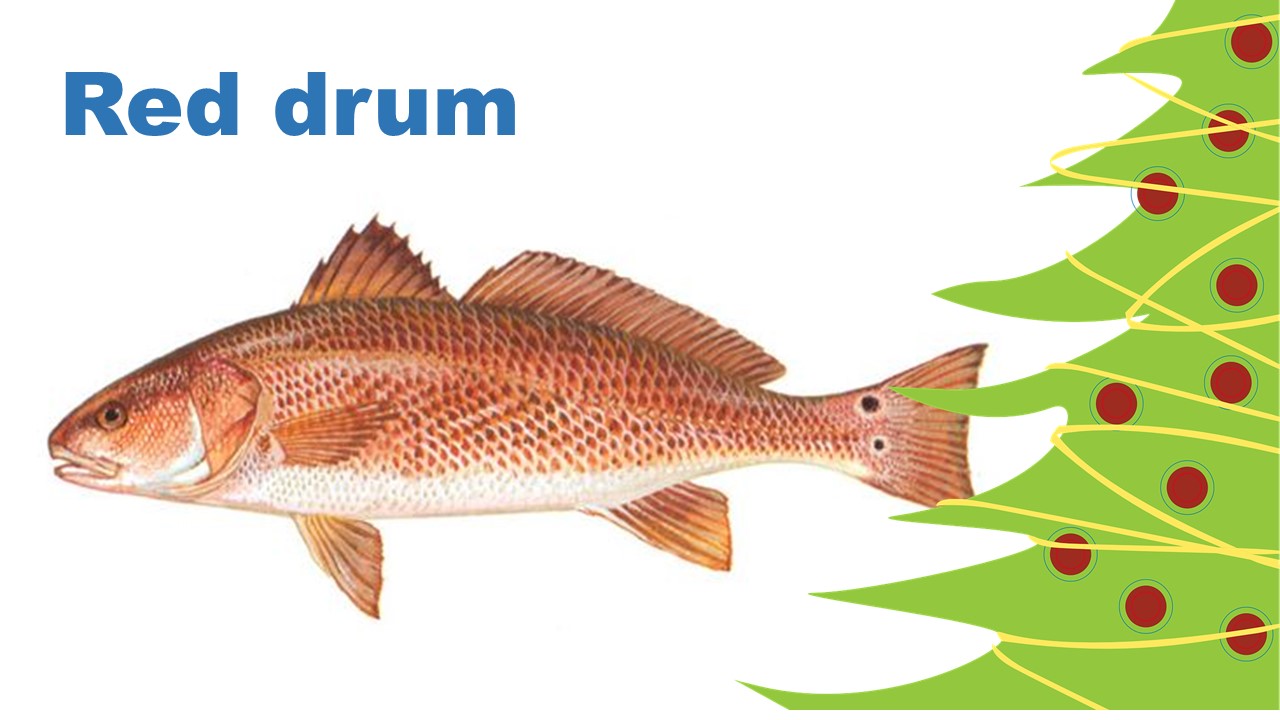
Red drum have an ability to produce a drumming sound on their air bladders which is how they got commons name. Learn who what other fish share this characteristic with them here. Pa-rum-pa-pa-pum …
Marine & Freshwater Environmental Education
Red drum have an ability to produce a drumming sound on their air bladders which is how they got commons name. Learn who what other fish share this characteristic with them here. Pa-rum-pa-pa-pum …
This site uses Akismet to reduce spam. Learn how your comment data is processed.
For a little humor over the weekend. I hope you enjoy the list of their top predators!
According to Jason Peters from Filmmakers for Conservation, “The film Timeless Traveler – The Horseshoe Crab is a film about what some consider to be the world’s most spectacular scientific breakthrough that could rewrite the pages of medical history. It is an appeal for the conservation of a unique species and aims to achieve a […]
It’s time to get the most out of that last trip to the beach! Whether you’re ready for a day out on the boat, lounging, beachcombing, catching some waves, or preparing a feast there is an app to get you more involved in your marine environment. Apps are not only a great way to learn […]
I love the game Scattegories so I am going to be drawn to learning new words that will help me gain more points. The Baffin Bay separates Greenland from Canada and is connected to the Atlantic Ocean by the Davis Strait. You won’t be finding any vacation homes along the shores of the Baffin Bay […]
Earlier this year I was happy to see that the federal government had awarded New Jersey a $1 million grant to protect the ecologically sensitive wetlands in Cape May County (“Where Nature Smiles for 30 Miles” and where my hometown is located). The New Jersey Department of Environmental Protection (DEP) will use the money to […]
Even though they have ten legs – not, eight – we’ve always said horseshoe crabs are members of the arachnid family. It was first theorized by E. Ray Lankester in 1881. But, until recently, it had not been proven in terms of genetics. Scientists at the University of Wisconsin-Madison studied the molecular evolutionary patterns of […]
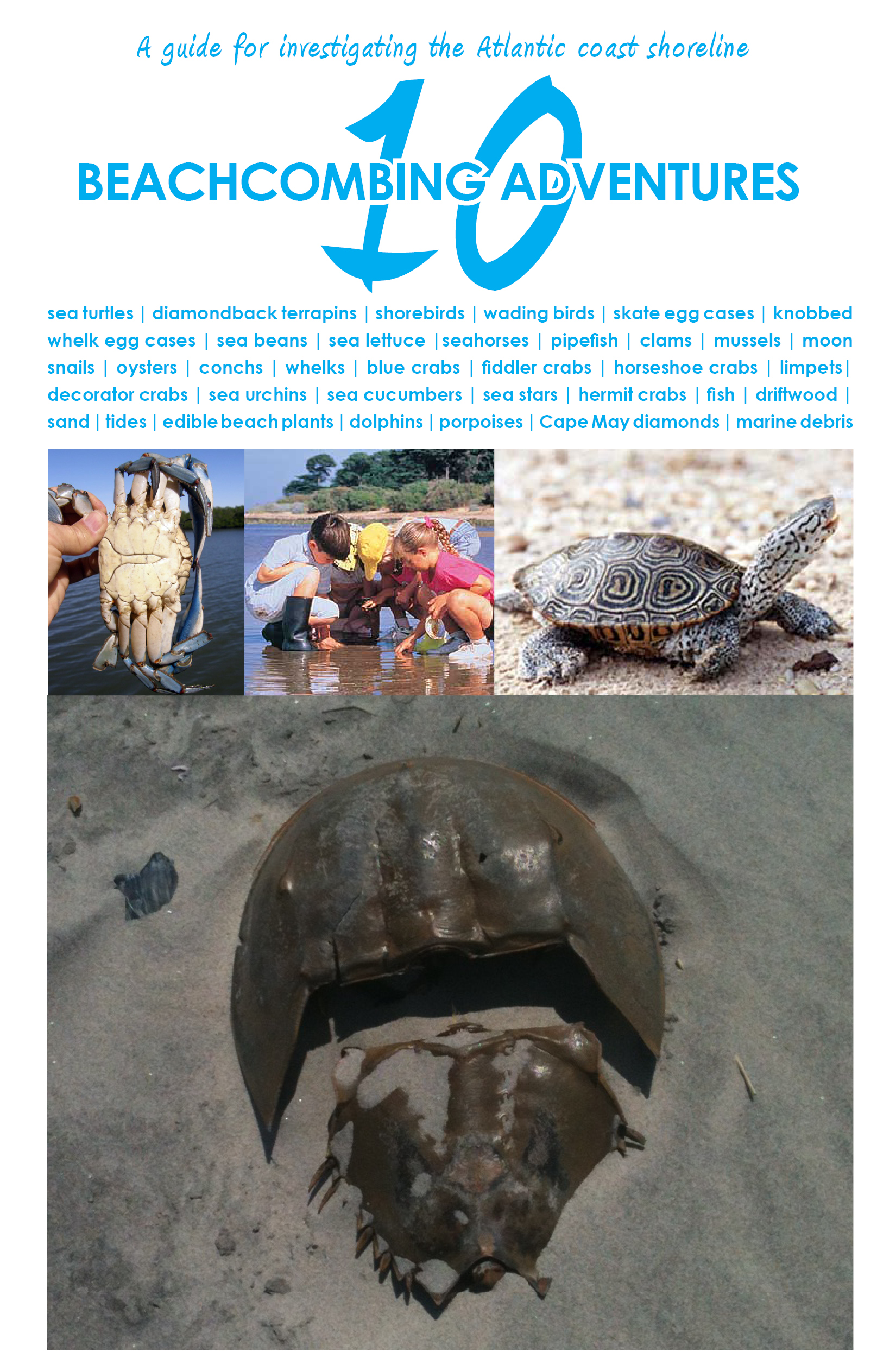
It’s my favorite time of year. This is the best time to explore the beach. It’s still sunny and warm, there are frequent storms (you’ll see why that matters later), and there are few people on the beach. For another six weeks along the mid-Atlantic (before it gets too cold), I encourage you to spend […]
I always love to share a new resource. When I stumbled upon the fish collection at the University of Washington I became extremely jealous. Don’t get me wrong … my undergraduate school had many other amazing attributes that were gems for studying fish (being situated next to an ocean in the middle of the pine […]
NO! Not at all. Laughing gulls, or Larus atricilla, are quite aggressive. These birds travel up and down the coasts and never have to stray far inland. They are extremely confident and spend their days foraging food from overly-relaxed beach goers. They will easily push larger birds, for instance, a pelican, right out of the […]
The 2012 Summer Olympics are less than 10 days away and with this comes lots of intense swimming competitions (among other events). This got me wondering, if I lined up various species of marine mammals which one would be taking home the gold? Check out the average top speeds of 10 species in the graph […]




Copyright © 2026 · Free Wordpress Install by FreemiumPress.com
Speak Your Mind