Until I saw the sea
I did not know
that wind
could wrinkle water so
I never knew
that sun
could splinter a whole sea of blue
nor
did I know before,
a sea breathes in and out
upon a shore
by Lilian Moore
Marine & Freshwater Environmental Education
Until I saw the sea
I did not know
that wind
could wrinkle water so
I never knew
that sun
could splinter a whole sea of blue
nor
did I know before,
a sea breathes in and out
upon a shore
by Lilian Moore
This site uses Akismet to reduce spam. Learn how your comment data is processed.
I’d like to take the time out to applaud one of the best ocean blogs out there, The Daily Ocean. I cannot tell you the countless hours I have spent drooling over Ms. Bayles world-wind expedition of collecting trash (beginning in Santa Barbara, CA). It is so exciting (I’m really not kidding)! Not only is […]
The answer is appropriate for this time of year … those quarter-sized holes are the home the ghost crabs or fiddler crabs. Ghost crabs emerge to scavenger upon anything they can get including crabs or clams, bugs or insects, plants or dead stuff (detritus). The burrows are personal territories (i.e., not colonies like on Meerkat […]
It may not come as a surprise, but a lot of my friends and family consider George Costanza as the most famous marine biologist they know. Long before Seinfeld, Jacques Cousteau, the world’s most well known deep sea explorer, made studying marine science seem fun and not as intimidating as people once thought. So here […]
Because there is not just one quote that summarizes how ethereal and majestic the ocean is, and in honor of World Oceans Day, and because you know I like lists, here is an archive of some inspiring quotes about the important aspects of our ocean all from people you may have heard of a time […]
Earlier this year I was happy to see that the federal government had awarded New Jersey a $1 million grant to protect the ecologically sensitive wetlands in Cape May County (“Where Nature Smiles for 30 Miles” and where my hometown is located). The New Jersey Department of Environmental Protection (DEP) will use the money to […]
(Please note: This post does not give an exact answer to the question.) It is comparable to the amount of stars in the sky. Especially if you think that 95% of the world’s oceans are unexplored. That is why in 2000 a huge census of what lives in the ocean started. The Census of Marine […]
Zooxanthellae are the photosynthetic organism that live within coral reefs and supply the food to the reef building corals. They have a symbiotic relationship with the other protists but can also live an independent life. Enjoy this quick video about the process!
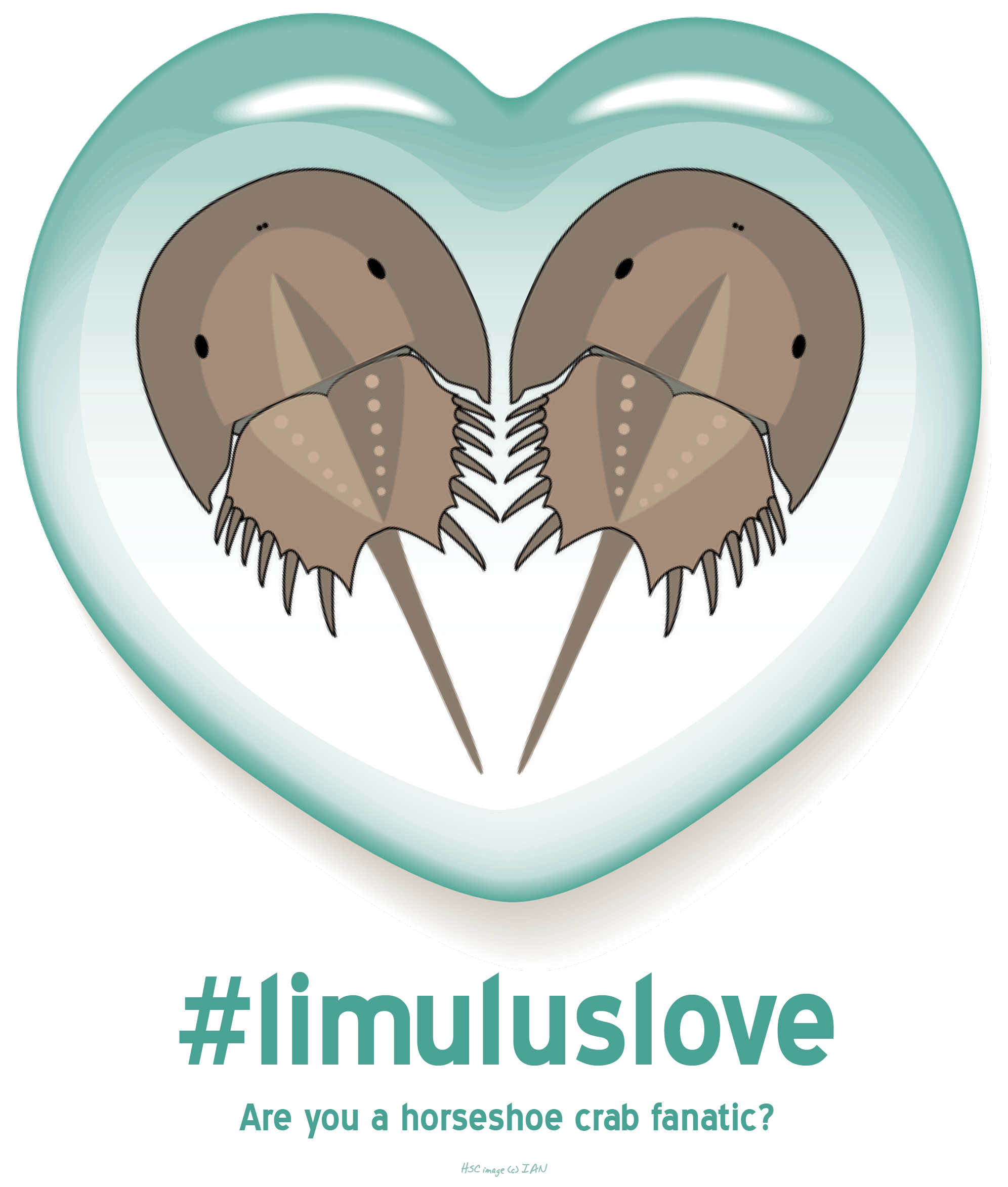
Horseshoe crabs use hemocyanin to distribute oxygen throughout their bodies. Hemocyanin is copper-based and gives the animal its distinctive blue blood. We use an iron-based hemoglobin to move oxygen around. The blood of this living fossil has the ability to clot in an instance when it detects unfamiliar germs, therefore building up protective barriers to […]
A few days ago the Washington Post announced that the National Zoo in Washington, D.C. is now home to 10 giant clams of the species Tridacna crocea. You may think the National Zoo is a peculiar place for clams especially since the National Aquarium now has a branch in D.C., however the clams are suitably […]
The BBC News released a news alert today stating that there is a species of sea squirt, or tunicate, off the coast of Scotland that ” will be able to light-up microscopic cellular activity that would otherwise be invisible to the human eye”. Here’s a little bit of background on a sea squirt species found […]




Copyright © 2026 · Free Wordpress Install by FreemiumPress.com
Speak Your Mind