What kind of car do you drive in the sea? An otter-mobile.
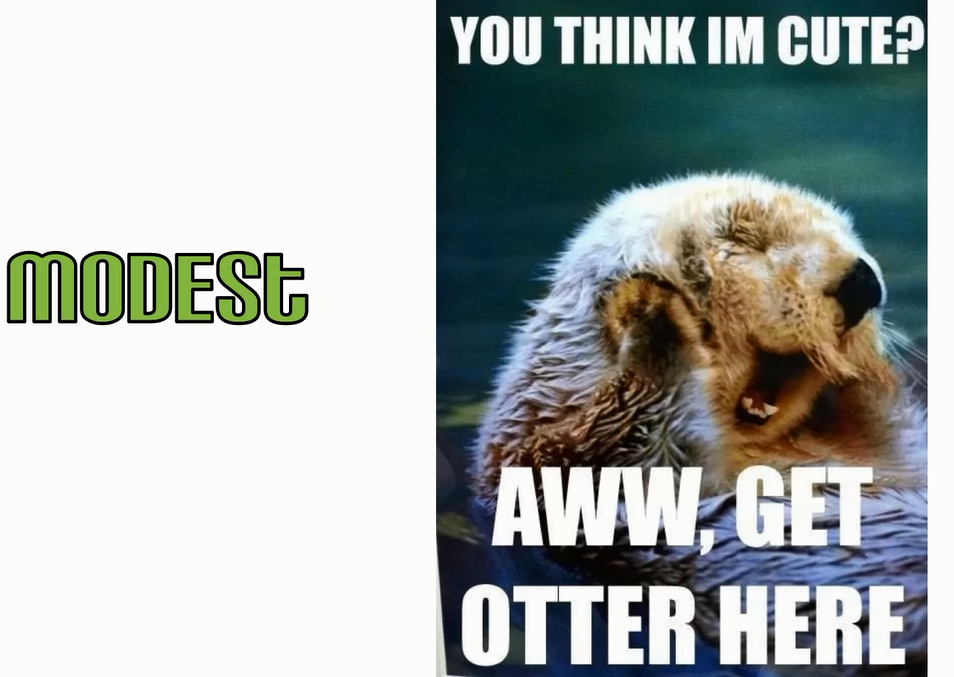
I know that was pretty funny, I know. Here are some memes to celebrate Sea Otter Awareness Week (this September 24-30) that really illustrates the breadth of sea otters.
Marine & Freshwater Environmental Education
What kind of car do you drive in the sea? An otter-mobile.
I know that was pretty funny, I know. Here are some memes to celebrate Sea Otter Awareness Week (this September 24-30) that really illustrates the breadth of sea otters.
Well, would you look at that … it’s the 10th anniversary of Sea Otter Awareness Week (Always the last week in September, this year from September 23 – 29)! These adorable creatures that have won the world over with their talent for holding hands while sleeping in the water, play a vital role in the coastal ecosystem. In California, sea otters are important for maintaining the sea urchin population among the kelp forest communities. However, I’ll be honest – I had to sit back and ask myself what makes a ‘sea otter’ a sea otter and a ‘river otter’ a river otter (besides, of course, where they might reside). Below is a quick synopsis of what I discovered (HINT: If you see one near a den = river otter). Find some more fascinating facts about sea otters here.
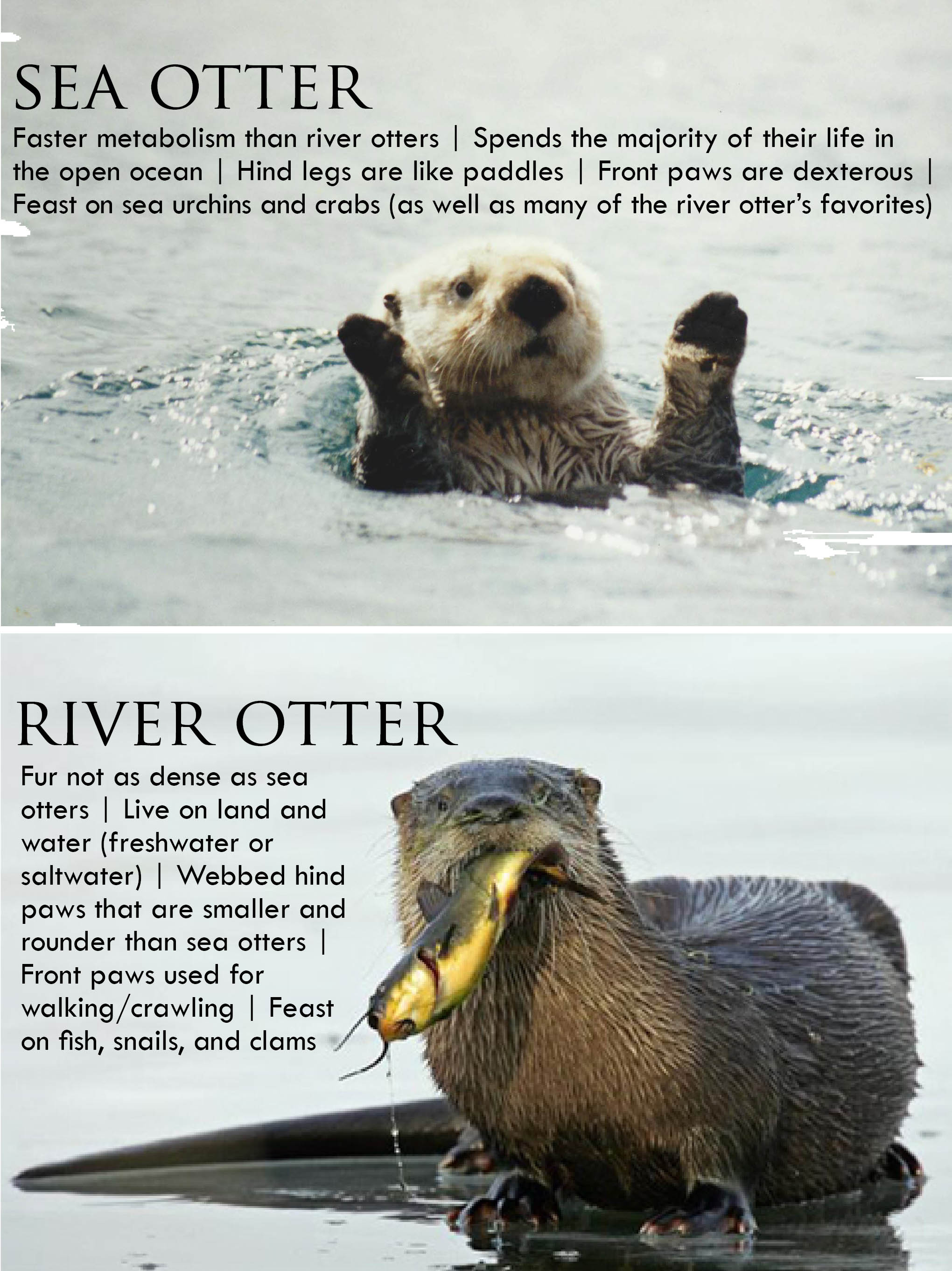
Sea otter image (c) tomstick.com, river otter image (c) local.brookings.k12.sd.us
Sturgeon are a group of primitive fish that spawn in river and live in the sea (anadromous). Some sturgeon may even abandon the life at sea and remain in the river ecosystem. They spawn in the same river in which they were born. They are covered in very heavy scales which make good protection. With […]
It’s no surprise why my home state of New Jersey has been on my mind lately. Using my enthusiasm for nostalgia, I decided to investigate little known facts about the state. Today I am eager to share some at best ‘compelling’, but possibly ‘useless’ knowledge on the New Jersey’s state shell, the knobbed whelk. Governor […]
I love getting questions from you. This post is in response to one of my favorite people wanting more information on the whaling laws in the United States. This is what I uncovered so far and am more than happy to hear and read comments about what I’ve missed or legislation that’s been updated. This […]
What: Wear Blue for Oceans Day Who: You and thousands of other that want to protect, maintain and restore the oceans, coasts, estuaries and Great Lakes Where: Lafayette Park, across from the White House When: January 13, 2010 at noon – Tomorrow, tomorrow, tomorrow, tomorrow! Why: To let the Obama Administration know you support a […]
Now that my little one is getting to the age where she’s off on fun excursions with daycare (today she went to the National Zoo!), I started having nightmares she might ask her father and I to take her to the circus. I haven’t been to the circus since I was 6 and am not […]
It is said that Earth was created about 4.5 billion years ago (bya). Life began about (note “about”) 3.5 bya. And, in fact, it is thought that life began in the oceans! Follow the evolution of the whale on the National Museum of Natural History’s Sant Oceans Hall on-line ocean portal and see if the […]
I listened to this three times last night. It’s “The Coral Song”. It’s a fun song. It’ll get caught in your head. I had to share. Maybe we’ll hear each other humming in line at the pharmacy. The Reef-World Foundation gets all the credit for helping the production get the science straight on this catchy […]
No one can deny that cephalopods are smart and elusive creatures, and here is yet another example that proves the point. Scientists at Marine Biological Laboratory in Woods Hole, MA did experiments on the axons of the longfin inshore squid and were excited to see a vibrant color-changing spectrum of the squid’s brown, red, and yellow […]
I was honored she Cherilyn Jose asked if I could do a guest post for her, but not too shy that I didn’t ask her to reciprocate (I love the information she puts out there on her blog so I thought it was worth a chance!). She kindly did so, and am I ever thrilled! […]
This is a continuation on the “Where we live” series. The Chesapeake Bay has undergone similar changes to the San Francisco Bay as the population increased along its shores. As the largest estuary in North America (not the longest, which is the Indian River Lagoon in Florida), it is not surprising that the watershed of […]




Copyright © 2026 · Free Wordpress Install by FreemiumPress.com
What people are saying …