• Home
  • About BCS
  • Guest Posting on BCS
  • BCS Community Programs
  • Resources & More
  • On-the-go Exploring Pouch
  • August 3, 2026

Beach Chair Scientist

Marine & Freshwater Environmental Education

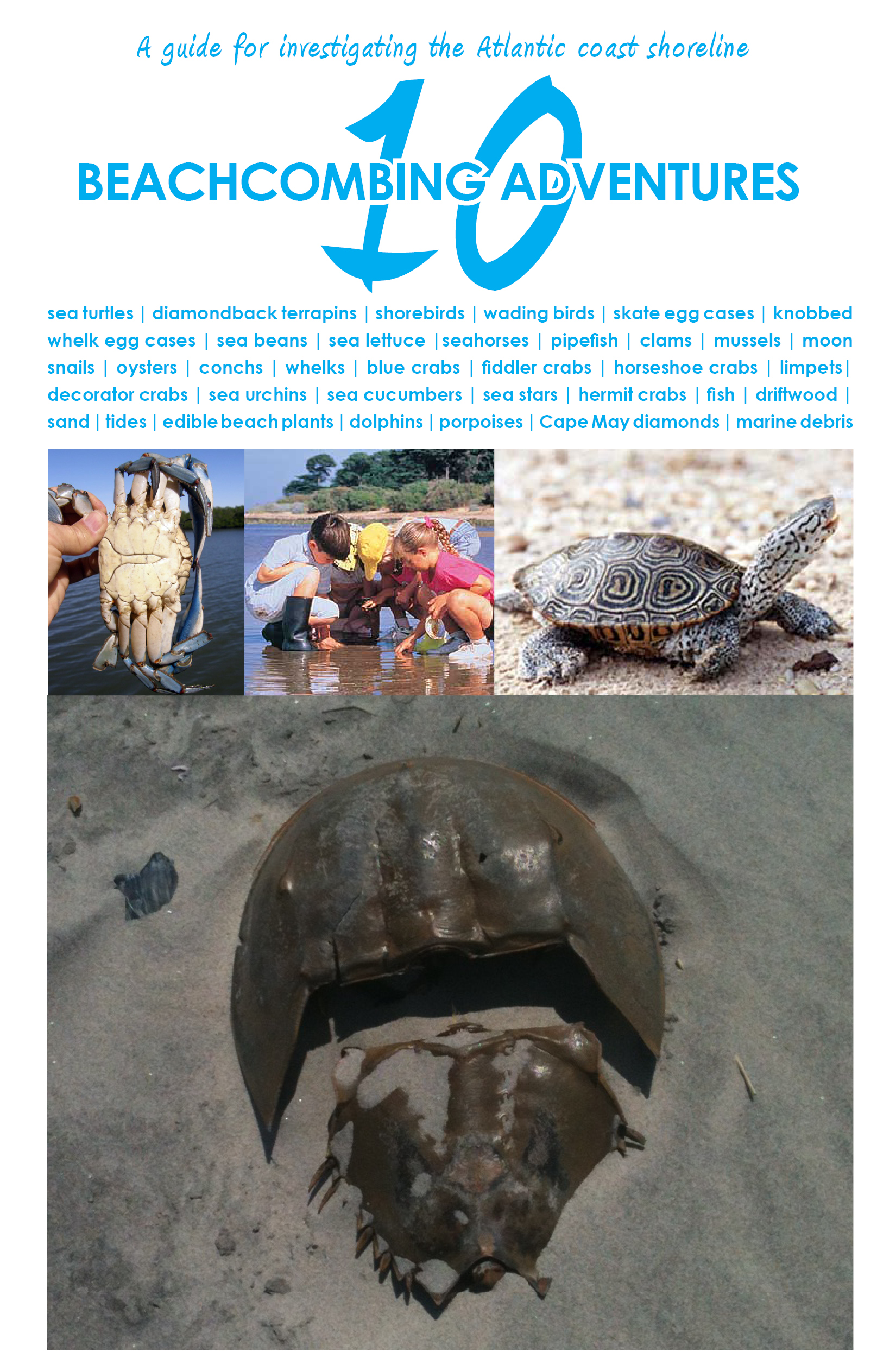
  • 10 Beachcombing Adventures
  • What Marine Conservationists Are Into …
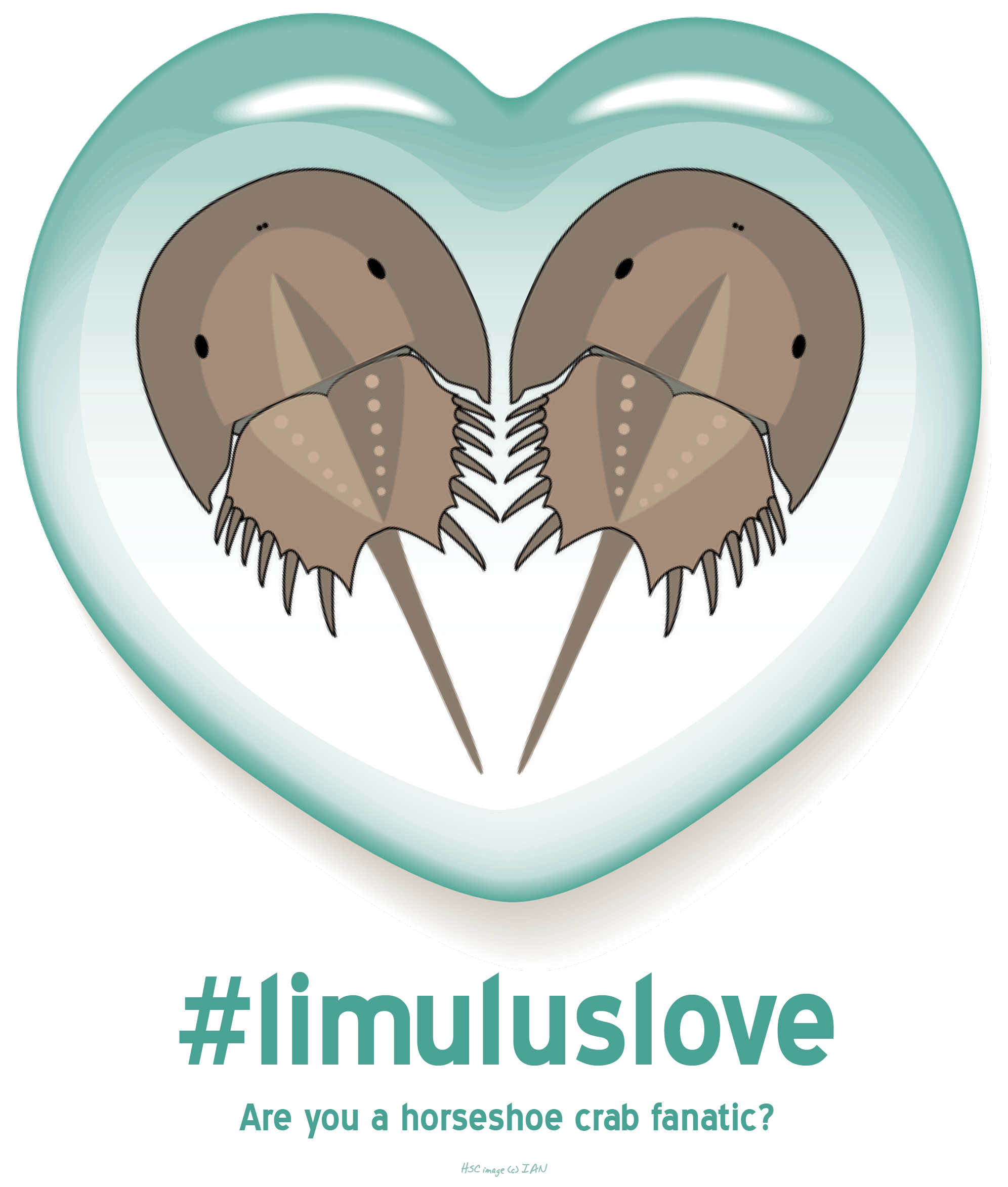
  • Limulus Love
  • EE, Ocean, & Water Conservation Infographics
You are here: Home / Archives for Maryland Coastal Bays Program

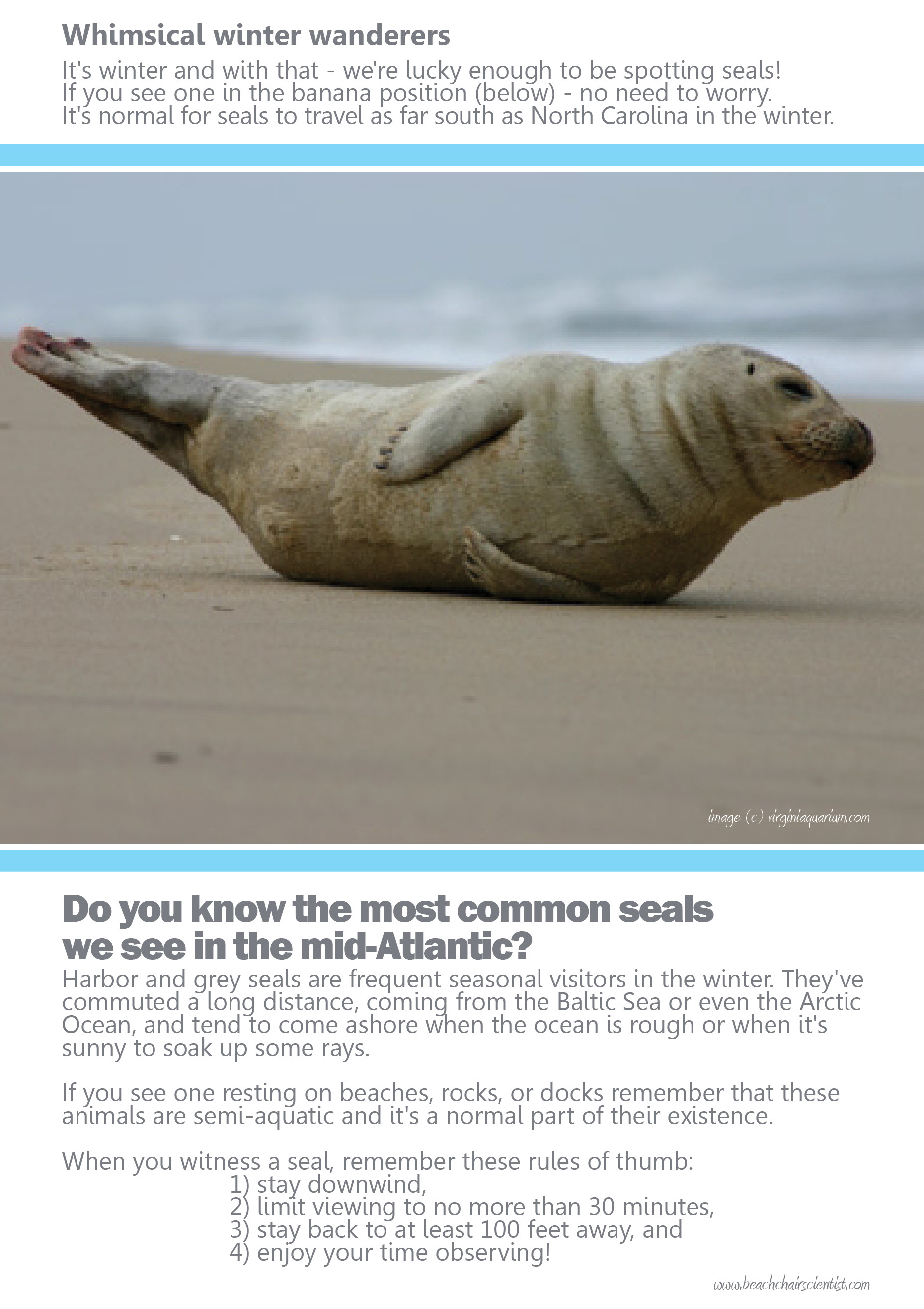
A seal on the shore isn’t always stranded

February 5, 2013 by Beach Chair Scientist Leave a Comment

BCS_Seals_large

It’s critical that you do not disturb seals when viewing. All marine mammals (e.g., seals, whales, walruses, porpoises, dolphins) are federally protected under the Marine Mammal Protection Act. If you do see an animal in distress contact your local member of the Northeast Region Marine Mammal and Sea Turtle Stranding & Entanglement Network.

Share this:

  • Click to share on Facebook (Opens in new window)
  • Click to share on Twitter (Opens in new window)
  • Click to share on Reddit (Opens in new window)
  • Click to email a link to a friend (Opens in new window)
  • Click to share on LinkedIn (Opens in new window)
Filed Under: Marine Mammals, Ocean Conservation Tagged With: grey seal, harbor seal, Marine mammal, Maryland Coastal Bays Program, MMPA, National Marine Fisheries Service, Northeast Region Marine Mammal ans Sea Turtle Stranding Entanglement Network

Connect with BCS

  • Email
  • Facebook
  • Instagram
  • Pinterest
  • RSS
  • Twitter

Follow BCS on Twitter

My Tweets

Want updates on BCS posts?

Scroll through the BCS archives …

Learn more on …

Random posts from BCS …

Why are horseshoe crabs essential to biotechnology?

First of all, let’s chat biotechnology, or, ‘biotech’, as those in the industry call it. The concept of biotech has been around for ages, just, not given the fancy term. For instance, planting seeds to produce food, fermenting juice for wine and churning milk into cheese (that are tested with the help of mycotoxin testing […]

Share this:

  • Click to share on Facebook (Opens in new window)
  • Click to share on Twitter (Opens in new window)
  • Click to share on Reddit (Opens in new window)
  • Click to email a link to a friend (Opens in new window)
  • Click to share on LinkedIn (Opens in new window)

No balloons at the celebration for the Beach Chair Scientist …

Today is the fourth birthday of the Beach Chair Scientist blog. Despite the fact that some companies label latex balloons as ‘biodegradable’ and therefore, ‘safe’ for the environment, I will not be decorating any birthday celebration with balloons. Balloons blow! What has been widely spread is that latex balloons breakdown at ‘the same rate as […]

Share this:

  • Click to share on Facebook (Opens in new window)
  • Click to share on Twitter (Opens in new window)
  • Click to share on Reddit (Opens in new window)
  • Click to email a link to a friend (Opens in new window)
  • Click to share on LinkedIn (Opens in new window)

My favorite posts from 2012

This isn’t the typical list of the most popular Beach Chair Scientist posts throughout the year. Those posts typically include questions typed into a search bar such as ‘Do sharks have bones?’ or ‘How much salt is in the ocean?’. Not surprisingly, my favorite posts aren’t focused on straight up interpretation, but rather have more […]

Share this:

  • Click to share on Facebook (Opens in new window)
  • Click to share on Twitter (Opens in new window)
  • Click to share on Reddit (Opens in new window)
  • Click to email a link to a friend (Opens in new window)
  • Click to share on LinkedIn (Opens in new window)

How does coral bleaching result?

Coral bleaching is due to the fact that the algae part of the coral reef ecosystem can no longer photosynthesize properly – therfore, losing the “reef” structure and the corals remain white – since the zooxannthellea are not around (that’s the algae – and responsible for the color of the coral). This occurs due to […]

Share this:

  • Click to share on Facebook (Opens in new window)
  • Click to share on Twitter (Opens in new window)
  • Click to share on Reddit (Opens in new window)
  • Click to email a link to a friend (Opens in new window)
  • Click to share on LinkedIn (Opens in new window)

5 fun facts about seahorses

The female lays her eggs in the male’s tummy pouch, he then incubates them for about 30 days, then they hatch. Seahorses do not have a stomach; they eat constantly to help get enough food to digest. Seahorses do not have teeth; they have a fused jaws, so they kind of suck up their food […]

Share this:

  • Click to share on Facebook (Opens in new window)
  • Click to share on Twitter (Opens in new window)
  • Click to share on Reddit (Opens in new window)
  • Click to email a link to a friend (Opens in new window)
  • Click to share on LinkedIn (Opens in new window)

What they’re into … with Braddock Spear (Sustainable Fisheries Partnership)

It’s Tuesday and so I am sure you know by now, but this is a series I have been featuring each Tuesday this summer to get a special sneak peek at the different personalities behind the scientists, activists, and educators (including bloggers) who play an integral role in the marine science conservation field. It’s essentially […]

Share this:

  • Click to share on Facebook (Opens in new window)
  • Click to share on Twitter (Opens in new window)
  • Click to share on Reddit (Opens in new window)
  • Click to email a link to a friend (Opens in new window)
  • Click to share on LinkedIn (Opens in new window)

How to say “I love you” with friends from the sea

Top to bottom: Octopus; Whale; Cuttlefish; Otters

Share this:

  • Click to share on Facebook (Opens in new window)
  • Click to share on Twitter (Opens in new window)
  • Click to share on Reddit (Opens in new window)
  • Click to email a link to a friend (Opens in new window)
  • Click to share on LinkedIn (Opens in new window)

Do all jellies sting?

Yes, they do. All jellies have specialized structures called cnidoblasts. Inside the cnidoblasts are capsules called nematocysts. Inside each nematocyst is a coiled, hollow thread. Nematocysts are triggered by mechanical (touch) or chemical stimuli. When they fire, the thread turns inside out, pierces its prey and delivers its venom. A jelly’s tentacles and oral arms […]

Share this:

  • Click to share on Facebook (Opens in new window)
  • Click to share on Twitter (Opens in new window)
  • Click to share on Reddit (Opens in new window)
  • Click to email a link to a friend (Opens in new window)
  • Click to share on LinkedIn (Opens in new window)

How to handle a horseshoe crab

Many horseshoe crabs you see this time of year along the shore are probably “molts”. You can tell if the exoskeleton seems hollow. Insider science tip: If the horseshoe crab has a slight opening at the opposite end of the telson (i.e., pointy “tail”) – it’s a molt. However, if you see a live one […]

Share this:

  • Click to share on Facebook (Opens in new window)
  • Click to share on Twitter (Opens in new window)
  • Click to share on Reddit (Opens in new window)
  • Click to email a link to a friend (Opens in new window)
  • Click to share on LinkedIn (Opens in new window)

Colorful coquina clams sign of healthy beach

Those tiny, colorful clams with two siphons poking our of their shells that emerge quickly once the waves wash gently ashore are known as coquina (ko-KEE-nah) clams. These bivalves rarely exceed an inch long and are indicators of a healthy beach. If eroding beaches are constantly being renourished, coquina clams, as well as other sand […]

Share this:

  • Click to share on Facebook (Opens in new window)
  • Click to share on Twitter (Opens in new window)
  • Click to share on Reddit (Opens in new window)
  • Click to email a link to a friend (Opens in new window)
  • Click to share on LinkedIn (Opens in new window)

Resources & more …

Flickr photos …

More Photos
UK Meds

What people are saying …

  • Robert Emahiser on Why you should never walk on dunes
  • Lesa on 10 brief facts on bioluminescence
  • Lisa on Limulus Love
  • Beach Chair Scientist on 17 facts about the wee sea potatoes
  • Bernard Rejterada on 17 facts about the wee sea potatoes
  • Brian on What is the difference between a summer and winter flounder?
  • Inbound marketing on 15 facts about the Portuguese man-of-war that’ll have you saying “Didya know…?”
  • Donnie Huckabee on Wordless Wednesday | Shell art
  • John on Why you should never walk on dunes
  • ItzJaylaD on What I know about whale sharks

Top posts & pages from BCS …

  • Hurricane vs. Cyclone vs. Typhoon
  • A House for Hermit Crab
  • How to handle a horseshoe crab
  • Snot's your house
  • Wednesday Wisdom: Various quotes (Alaska scenes)
  • A naturalist's must-see destination: Fossil Hunting at Bayfront State Park in Chesapeake Beach, MD
  • Belly biology creates lasting memories
  • Five awful puns about courtship in the sea
  • Horseshoe crabs confirmed as members of arachnid family
  • Beyond the bag: Other plastics being banned

Copyright © 2026 · Free Wordpress Install by FreemiumPress.com

Return to top of page